The Quayside Challenge: Why Waterfront Waste Fails
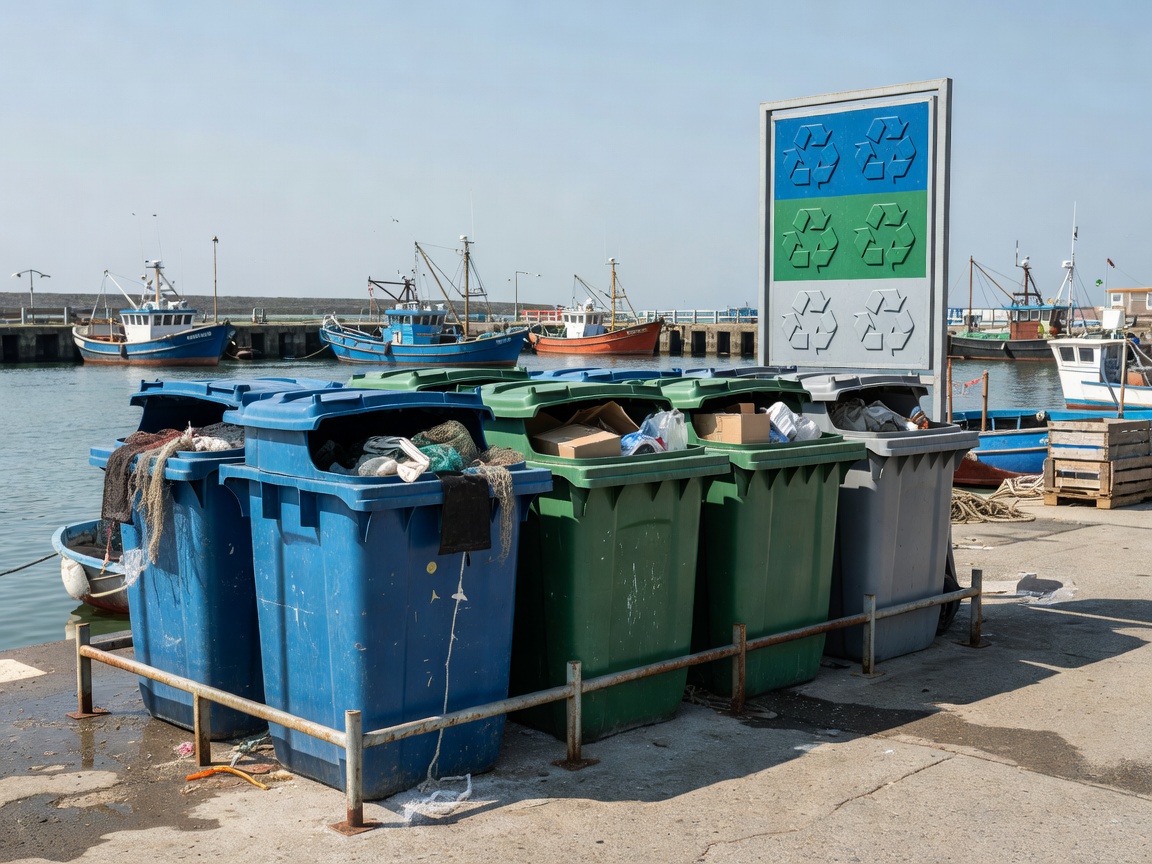
Left to their own devices, people arriving back at the pontoon after three days at sea will drop everything into the first bin they see. Empty wine bottles, rotting bait scraps, a punctured plastic fender, half a tin of antifouling paint, and oily bilge rags end up crushed into the same 240-litre wheelie bin.
When that happens, municipal haulers refuse to collect the contaminated load, the bin overflows onto the quay, and sea breezes whisk lightweight plastics straight into the water basin. Effective waste collection at a marina is 80% behavioral design and 20% logistics: you must make doing the right thing easier than dumping everything in a single mound.
Securing Collection Points Against Maritime Elements
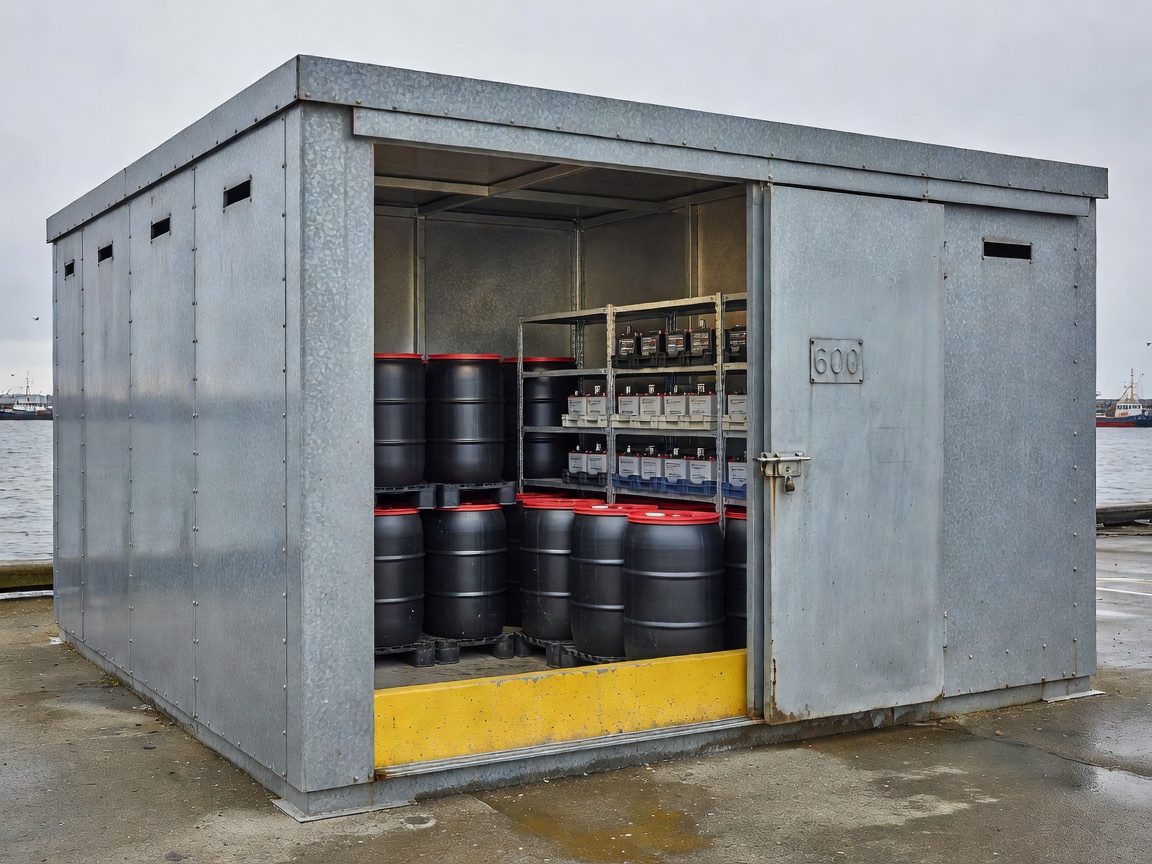
Open-air bins on piers are an invitation to disaster. Gulls tear open bags, winds flip lightweight lids, and rainwater fills the bottom of bins, leaking nasty leachate onto the pontoon timber. Our collection point plans emphasize lidded, wind-baffled quayside compounds with raised lip thresholds (bunding) to contain spills before they reach storm drains or the sea.
Segregated Waste Streams in a Working Marina
A compliant harbor waste reception plan generally divides waterfront refuse into four distinct logistical categories:
- General Galley & Domestic Waste: Food scraps, mixed packaging, and non-recyclable items from shipboard galleys. These require odor-controlled, frequently cleared bins placed near gangway exits.
- Dry Recyclables (Glass, Cardboard, Metals, Clean Plastics): Boaters generate disproportionately high volumes of cardboard and beverage glass. Large-aperture deposit bins positioned at shore side access hubs prevent unflattened boxes from jamming general compactors.
- Hazardous Workshop & Vessel Maintenance Waste: Antifoul sanding dust, expired flares, lead-acid marine batteries, used engine oils, coolant flushes, and oily fuel filters. This stream must be housed in a lockable, ventilated shed with sealed containment sumps.
- End-of-Life Rigging & Marine Plastics: Old mooring lines, chafed halyards, and torn tarpaulins should never enter standard rotary compactors, where high-tensile braided nylon can bind hydraulic rams.
Collection Scheduling and Seasonal Peaks
In January, a marina of 200 berths might produce less than three cubic meters of domestic trash a week, mostly from yard staff and a handful of hardy liveaboards. In July, during a weekend sailing regatta, that same marina can generate twenty cubic meters in forty-eight hours.
Static, once-a-week collection schedules simply don't work for coastal facilities. We design dynamic collection intervals linked to slip booking calendars and weather forecasts. When a weekend forecast predicts sunny skies and light breezes, we arrange pre-clears on Friday afternoon and high-capacity turnover clearances on Sunday evening, ensuring returning sailors never encounter overflowing bins.
Documentation and EU Port Waste Reception Compliance
Under European Directive (EU) 2019/883 on port reception facilities for the delivery of waste from ships, harbor managers have clear legal responsibilities. Commercial ports and recreational harbors must make adequate reception facilities available, develop approved waste reception and handling plans, and maintain documentation verifying how much waste is received and where it is dispatched.
While implementation specifics, reporting intervals, and fee structures differ significantly between individual EU member states—and even between adjacent coastal municipalities—failure to record the handoff of hazardous oil or electronic waste can bring hefty municipal fines.
Practical Questions for Port and Marina Operators
Consider these operational touchpoints when evaluating your quayside waste flow:
- Can a boat owner legally dispose of two liters of used diesel motor oil at your marina after 18:00 on a Saturday?
- Are waste reception compounds placed within reasonable walking distance of the furthest berth, or are sailors tempted to abandon trash on outer pontoons?
- Does your hazardous storage unit possess secondary containment capable of holding at least 110% of the largest stored fluid vessel?
- Are collection bins protected by mechanical latches that prevent gulls, foxes, and coastal vermin from raiding bags?