Environmental Housekeeping: The Everyday Defenses
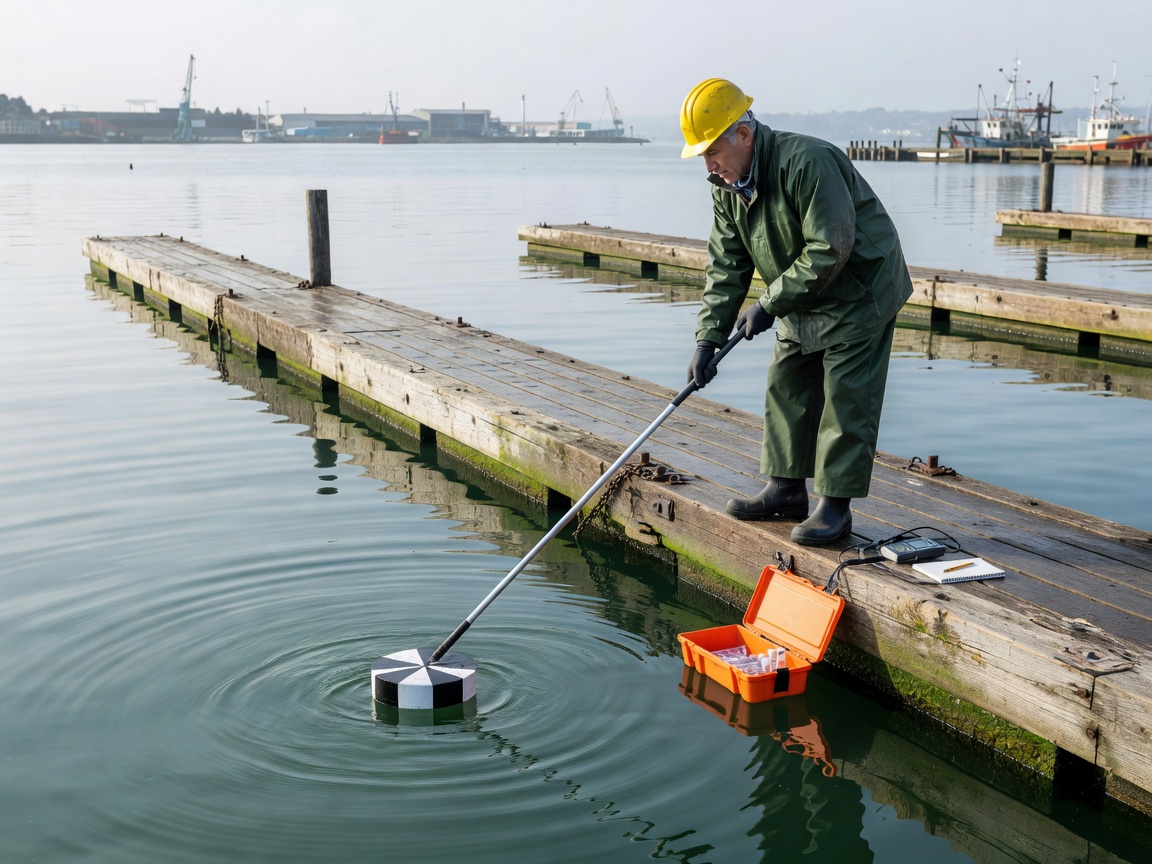
Most harbor contamination doesn't originate from dramatic shipping catastrophes; it trickles in through hundreds of small, unmonitored infractions. An outboard motor dripping crankcase oil during routine flushing, an overfilled diesel tank burping twenty centilitres out of an air vent, or a yacht owner vigorously scraping toxic copper antifouling paint directly over the pontoon edge.
Practical environmental management starts with strict day-to-day housekeeping. We work with marina teams to implement clear, readable behavioral boundaries: designated maintenance bays equipped with collection groundsheets, well-stocked clean-up lockers stationed near fueling berths, and active surface skimming along leeward harbor pockets where wind and tides concentrate floating micro-debris.
Spill Preparedness: The First Thirty Minutes
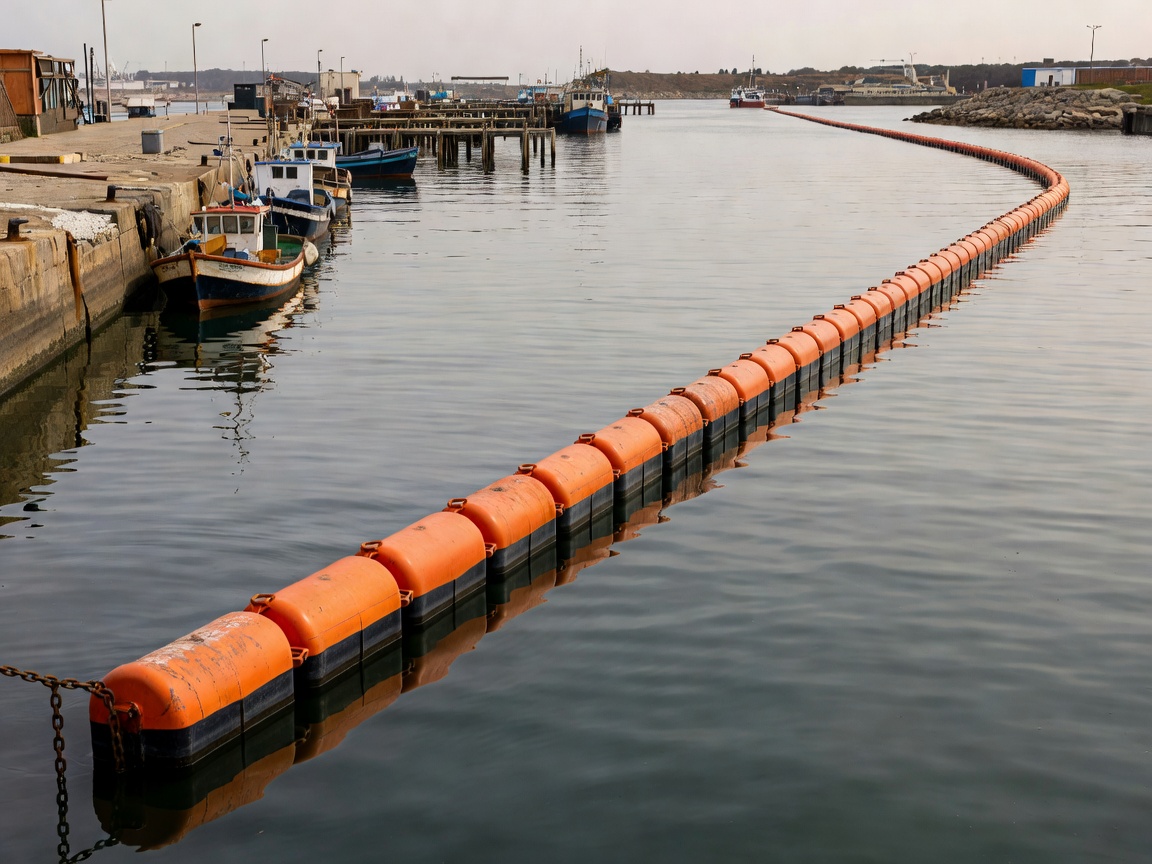
When a vessel discharges oily bilge water into a calm basin, the sheen spreads exponentially with every passing minute. If your spill kit is locked in a distant shed behind stacks of folding tables, the oil will have drifted past the breakwater before your staff can intervene. We stage modular containment booms, absorbent socks, and non-reactive recovery bags in bright, weather-sealed dockside pods right where fueling and pump-outs happen.
Operational Procedures & Runoff Management
Waterfront yards that perform boat winterization, pressure washing, and mechanical repairs must pay keen attention to ground surface runoff. Rainfall washing over unsealed quayside concrete carries heavy metals (copper, zinc, nickel from antifoul coatings and zinc anodes) directly into the marine sediment bed.
A resilient harbor environmental plan outlines:
- Dry Work Zones: Designated hardstanding areas fitted with perimeter coamings that channel wash water through hydrocarbon grit separators and sediment filter baskets.
- Fueling Protocols: Mandatory use of fuel collar bibs and automatic shut-off nozzle audits to eliminate the classic “vent burp” that stains hulls and water.
- Bilge Water Interception: Clear protocols prohibiting automated electric bilge pumps while vessels are moored in quiet berths, directing owners instead to mobile quayside separation tanks.
- Staff Awareness Routines: Short, five-minute morning tool-talks that remind marina hands what to look for during routine pontoon walks.
Continuous Improvement and Inspection Logs
Port inspectors, coast guard officers, and municipal auditors do not expect absolute perfection; they expect transparent records and prompt corrective action when an incident occurs. An environmental incident log should capture the date, estimated volume of discharge, suspected origin, containment measures applied, and corrective steps taken with the vessel owner.
Keeping consistent weekly inspection sheets of fuel dispensing hoses, emergency shut-off switches, hazardous waste compounds, and basin skimmer baskets provides undeniable proof of diligent operational stewardship.
Practical Questions for Environmental Coordinators
Assess your harbor’s current readiness against these practical benchmarks:
- Can your seasonal dock hands explain the functional difference between an absorbent boom (for oil) and a sediment curtain (for silt)?
- Are your oil spill kits inspected every month to ensure pads haven't degraded under UV exposure or become damp from saltwater condensation?
- Do your berth contracts explicitly forbid mechanical hull scrubbing and open orbital sanding while vessels are floating in wet slips?
- Do you have an established relationship with a certified hazardous waste recovery company to dispose of oil-saturated booms after an incident?