Routine Maintenance vs. Intensive Restorative Cleaning
Anyone who has managed a waterfront basin knows that marine grime moves fast. You wash a hardwood finger dock on Monday, and by Thursday evening, seabird colonies and coastal humidity have already laid down a fresh patina. The trick isn't simply scrubbing harder; it is balancing light routine touch-ups against scheduled intensive restorative work.
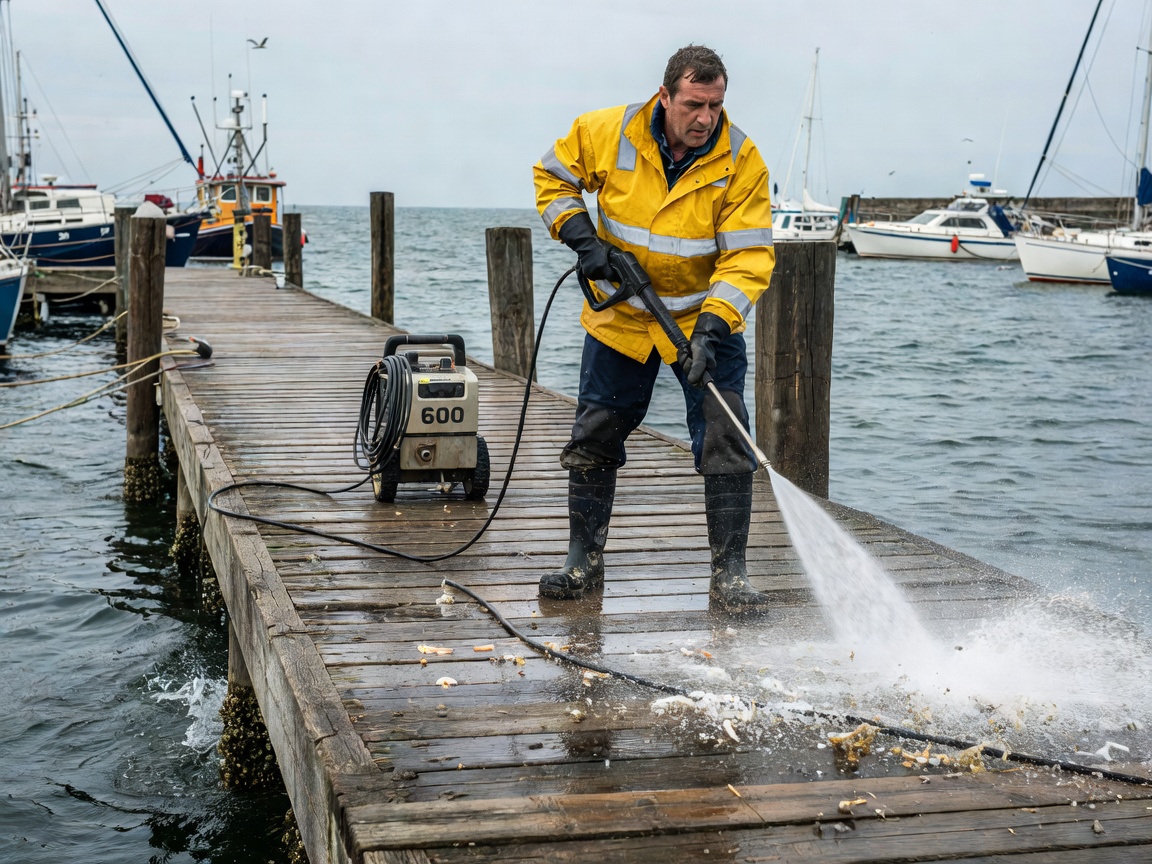
Routine cleaning focuses on immediate public touchpoints: removing bird droppings before their acids etch into composite decking, washing salt deposits from handrails, clearing marine slime off slipway edges, and degreasing fuel berth pontoon fingers. These interventions use low-pressure washdown systems or soft-bristled brush tractors, preventing surface erosion while keeping walkways safe for deck shoes and boots.
Intensive cleaning, on the other hand, is scheduled during low-traffic turnarounds or seasonal shoulder weeks. This involves targeted bio-film removal, hot-water mechanical scrubbing with surface suction capture (to prevent soapy grey water from discharging straight into the marina basin), and deep cleansing of access ramps, gangway rollers, and floating breakwaters.
Manual Scrubbing vs. Mechanical Surface Cleaners
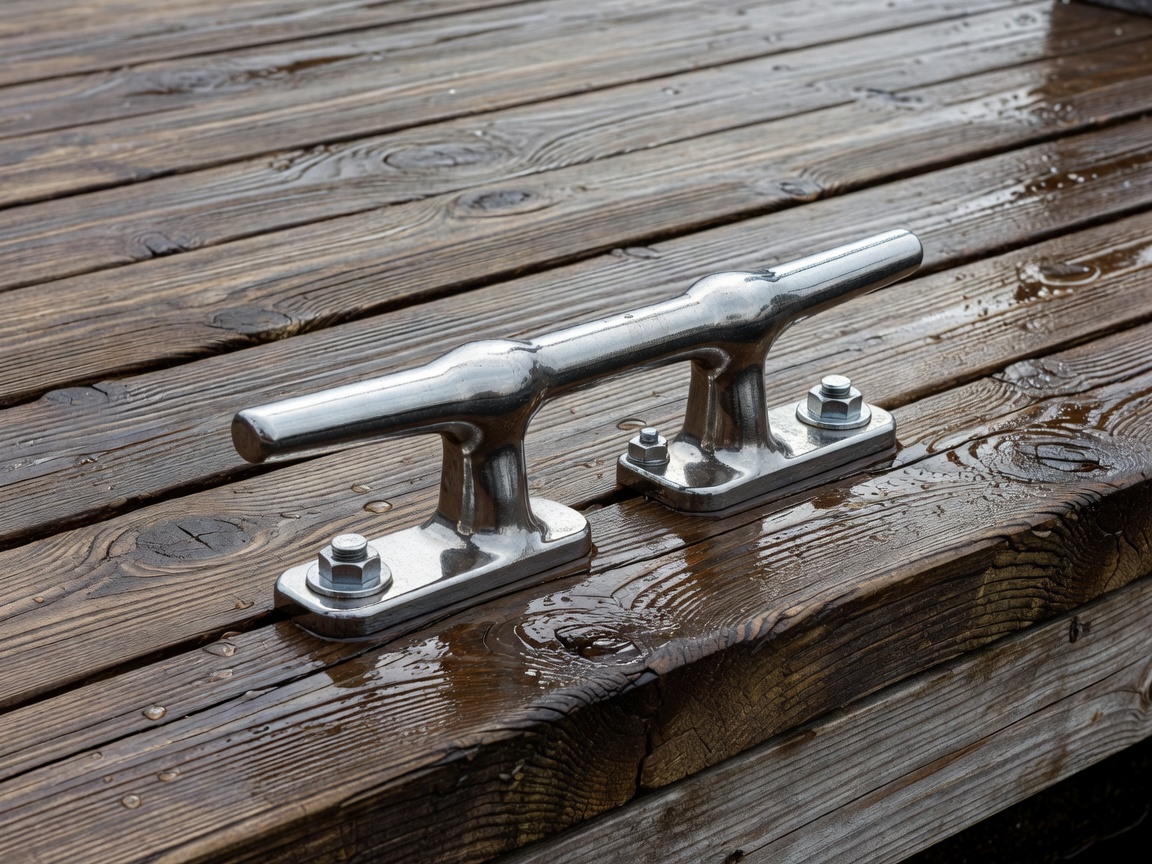
High-pressure wands are tempting because they are fast, but they can easily chew through timber fibers or strip anti-skid coatings from fiberglass floating docks. For hardwood (like teak or opepe) and composite fingers, rotary surface cleaners with balanced bar pressure are far safer. They lift lichen without gouging channels into the grain. Manual detailing remains irreplaceable around cleats, shore-power pedestals, and hose reels where machinery risks snagging cables.
High-Traffic Zones: Pontoons, Walkways, and Shared Spaces
Not every square meter of a marina wears down at the same rate. The main spine pontoon leading from the shore ramp experiences twenty times the pedestrian load of a quiet outer slip. Likewise, fuel docks, pump-out stations, and fish-cleaning tables present severe biological and petroleum burdens.
In our operational plans, we segment marina facilities into distinct hygiene zones:
- Fuel & Pump-out Docks: Require daily inspection for surface hydrocarbon drips. We employ hydrophobic absorbent pads and enzymatic cleaners rather than standard household surfactants, which are illegal in many European water bodies because they break oil into fine underwater plumes.
- Main Spine Pontoons & Access Gangways: Treated with pH-neutral, water-safe washes to prevent micro-algae growth that turns slippery in wet weather. Hinges and transition plates are cleared of sand and gravel that grind down moving joints.
- Finger Docks & Berths: Cleaned on rotation, coordinating with harbor masters to ensure lines, shore power cords, and fenders are not subjected to pressurized blasts.
- Shore-side Waterfront Plazas: Pavers, bench seating, waste bin surroundings, and security gates undergo sweepings and trash removal to keep pests away from moored vessels.
Minimizing Disruption to Marina Operations and Berth Holders
Boat owners cherish peace and quiet. The quickest way to trigger complaints at the harbor office is firing up a loud, two-stroke pressure washer outside a liveaboard vessel at 07:00 on a Saturday morning. Operational timing is everything.
We recommend scheduling mechanized washdowns in predictable mid-week windows—typically Tuesday through Thursday between 09:30 and 15:00—when recreational berth holders are largely away and commercial charter skippers have already cleared out. For busy city-center ports and commercial marinas, overnight or early-dawn washdowns with battery-electric wash units preserve the tranquil quayside atmosphere.
Pricing Factors & Contractor Selection Criteria
Standard fixed per-meter cleaning prices rarely reflect reality because no two marina basins are built alike. When planning your facility budget, expect cleaning proposals to be shaped by:
- Substrate composition: Hardwood timber requires gentler, more labour-intensive care than cast concrete floating modules or galvanized steel gratings.
- Access and utilities: Docks with integrated fresh water points and dedicated quayside power outlets take significantly less time to service than unserviced outer moorings where water must be transported by workboat.
- Run-off capture requirements: European water directives and municipal canal rules often dictate whether wash water can run off pontoon edges or must be vacuumed and transferred to shore sewer connections.
Practical Questions for Marina Managers to Consider
Before contracting a commercial cleaning crew for the coming season, ask yourself:
- Do our current washdown procedures contain grey-water runoff, or are surface pollutants simply being swept into the boat basin?
- Are slipway approaches treated regularly for green algae, or do vehicle tires spin on low-tide retrievals?
- Is cleaning equipment battery-powered or silenced to respect slip holders who sleep on board?
- Are shore-power boxes inspected for water-ingress damage before surface pressure washers are deployed?