The Four Operational Phases of the Maritime Year
Too many waterfront facilities treat seasonal prep as an emergency sprint: panic in April when the water mains need reconnecting, and panic in November when the first frost threatens exposed pipework. A sustainable operational model distributes these duties into four distinct phases that align with boat owner habits and seasonal weather shifts.
Spring Opening: Flush, Scrub, and Recommission
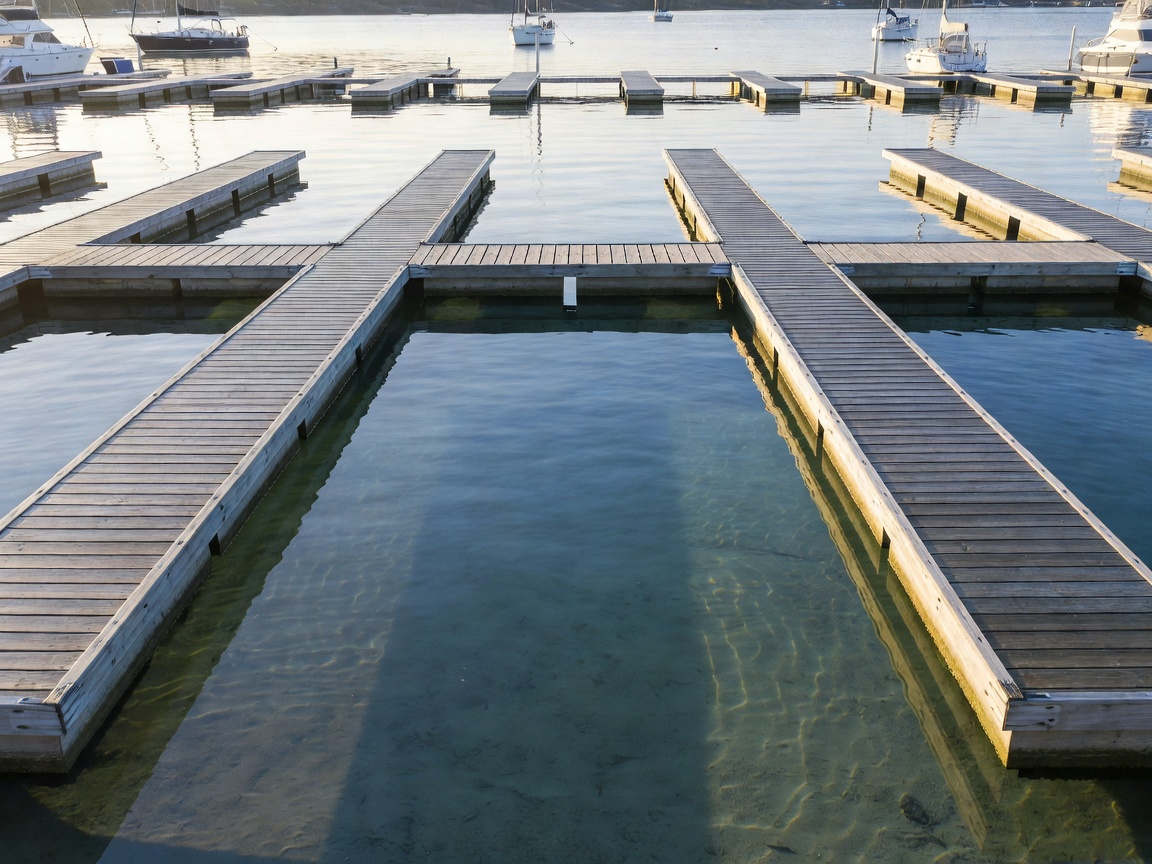
Before the first boat is splashed from the yard cradles, the pontoons need rigorous preparation. Winter storms leave behind salt crusts, decaying seaweed, and thick layers of green algae. Spring work involves pressure washing the finger docks, recommissioning and pressure-testing freshwater distribution lines, running residual electrical leakage tests on pedestal breakers, and confirming lifebuoy and fire hose readiness.
High-Season Readiness (June through August)
High season is about bandwidth. With berth occupancy hitting 95% to 100%, waste volumes explode, fuel berths operate non-stop, and pump-out stations work overtime. During peak summer, maintenance cannot afford to be disruptive; instead, operations focus on rapid response:
- Mid-Day Trash sweeps: Pontoon runners clearing bag accumulations before afternoon sea breezes pick up.
- Fuel Berth Sump Checks: Daily inspections to catch tank vent drips before diesel sheen coats customer waterlines.
- Fresh Water Hose Disinfection: Periodic sanitizing of drinking water delivery nozzles that frequently drag along salty pontoon surfaces.
- Visitor Slip Verifications: Ensuring visitor fingers have clear numbering, sound cleat fixings, and unchafed dock fendering.
Autumn Layup & Cleanup (September to November)
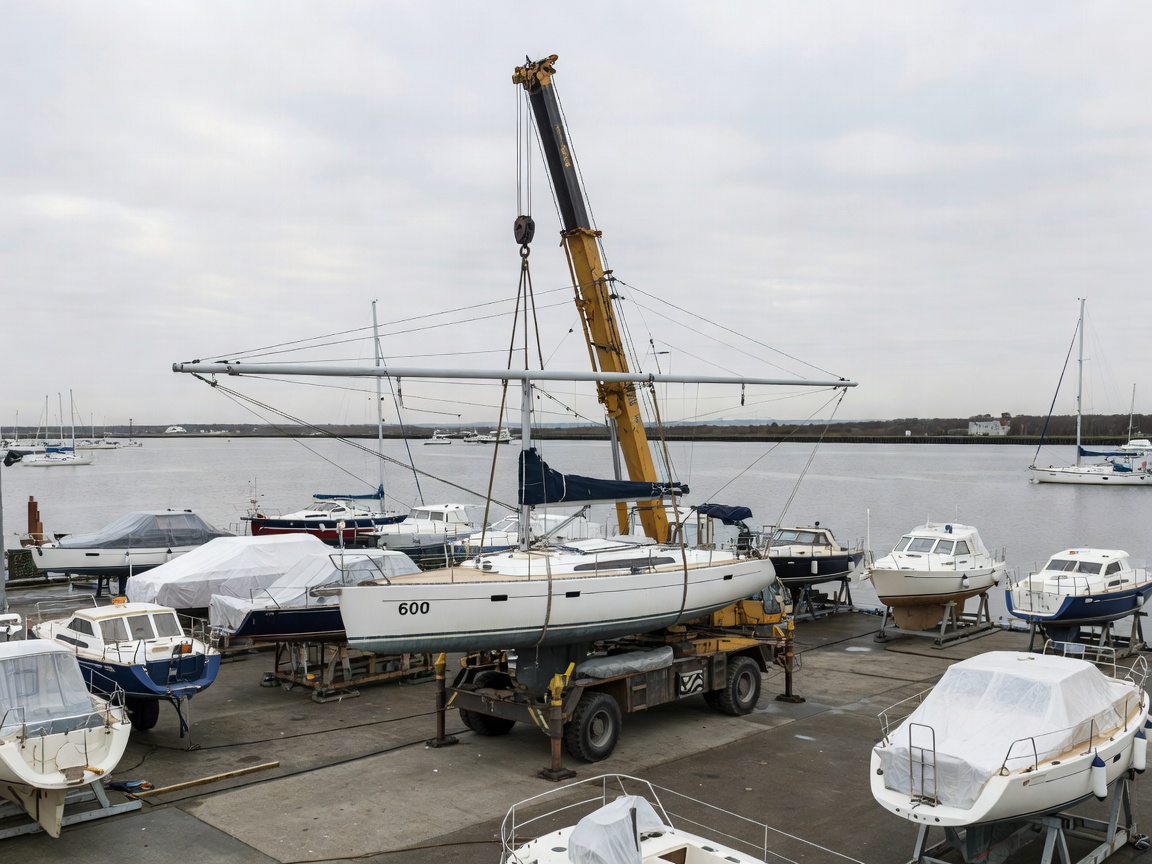
As the recreational fleet is hauled ashore or prepared for wet-slip wintering, the marina experiences a flurry of maintenance activity: engine winterizing, mast unstepping, and hull pressure washing.
During autumn, our teams prioritize hazardous waste control. Yacht owners changing engine oils, winterizing cooling circuits with propylene glycol, and scrubbing bottom paints generate heavy chemical loads. We set up extra temporary hazardous reception points to prevent glycol and used oils from entering storm drains. Simultaneously, we perform autumn leaf sweeps and dock clearing before falling foliage decomposes into slippery brown sludge on wooden decking.
Winterization Planning (December to February)
Winter is unforgiving on waterfront assets. Unprotected water pipes freeze and burst; gale-force squalls put immense tension on outer dock hinges; and standing snow loads can compromise neglected floating pontoons.
A methodical winterization program includes:
- Pneumatic Water Line Blow-Out: Isolating quayside water mains, opening all drain petcocks, and using compressed air to evacuate residual water from dock pipe runs.
- De-icing and Aeration Checks: In northern European basins subject to surface ice, inspecting bubbler compressors and impellers that circulate warmer bottom water to prevent ice heave against timber piles.
- Mooring Line Doubling & Cleat Stress Audits: Checking that wet-berthed vessels are tied off with spring lines and chafe guards to prevent dock horn shearing during storm surges.
- Storm Tie-Down Protocols: Securing gangway rolling plates, locking down waste shed doors, and storing lightweight floating equipment onshore.
Questions for Facility Managers to Address
Review these operational transition questions with your harbor team:
- Are your quayside water pipes blown clear with compressed air before the first overnight frost, or do you rely solely on manual drain taps?
- Have you established increased waste collection turnarounds for bank holiday weekends and mid-summer regattas?
- Do your berth contracts clearly state the cutoff date for winter haul-outs to prevent yard congestion?
- Are all staff members trained on cold-water slip-and-fall rescue procedures during icy morning pontoon rounds?